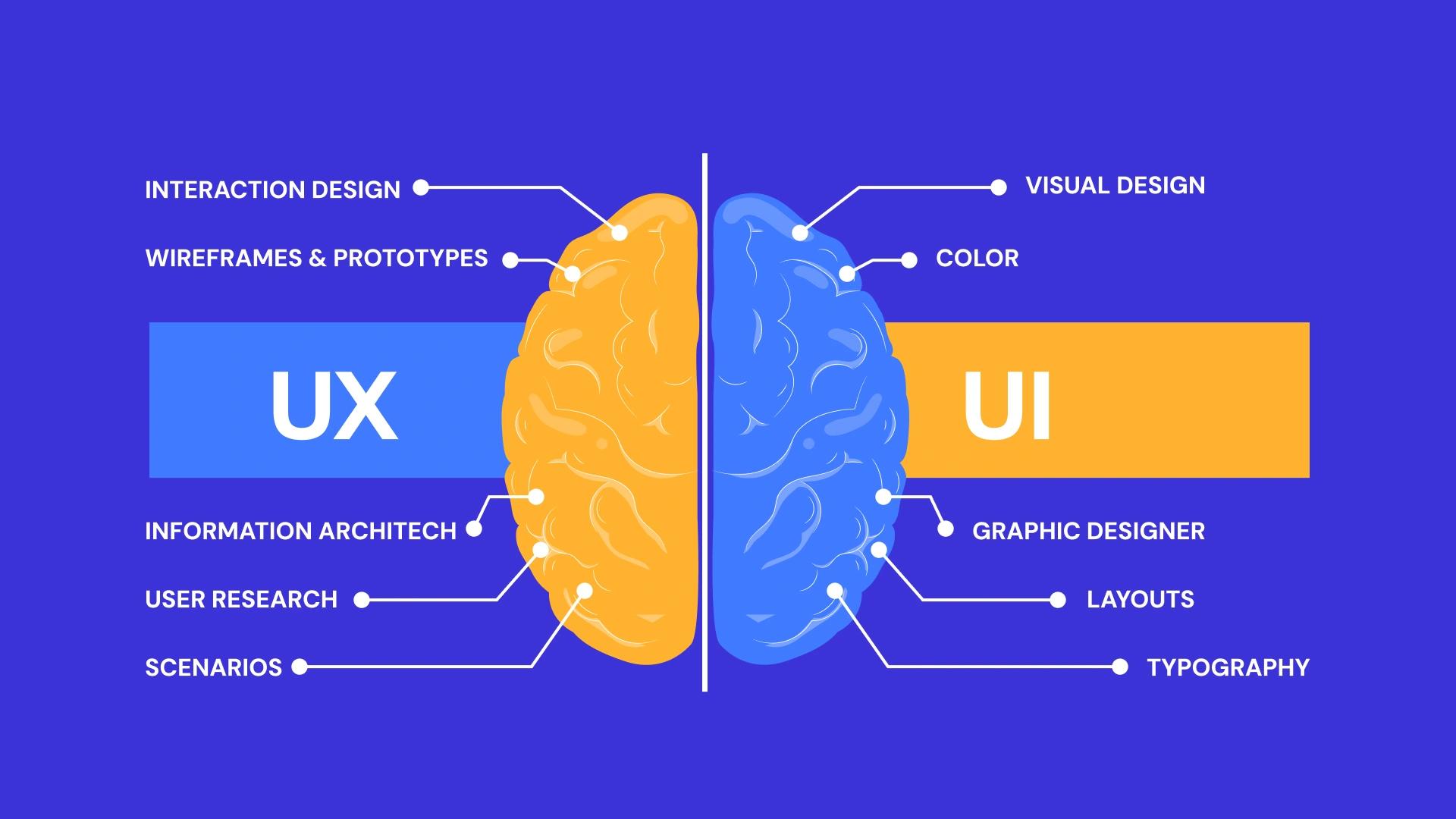
In today’s digital world, users have endless choices. Whether it’s a website, mobile app, or software platform, people expect smooth, intuitive, and enjoyable experiences. This is where UI (User Interface) and UX (User Experience) design play a crucial role. Good UI/UX is no longer just a “nice to have”—it’s a key factor that determines the success or failure of a product.
## First Impressions Matter
Users form an opinion about your product within seconds. A clean, visually appealing interface builds trust and encourages users to stay longer. On the other hand, cluttered layouts, confusing navigation, or outdated design can drive users away instantly.
A well-designed UI ensures that users feel comfortable and confident while interacting with your product. It sets the tone for the entire experience and influences whether users will continue exploring or leave.
## Enhances User Satisfaction
Good UX design focuses on understanding user needs and behaviors. When users can achieve their goals quickly and effortlessly, they feel satisfied and are more likely to return.
Simple things like clear navigation, fast loading times, and logical workflows make a big difference. When users don’t have to think too much or struggle to find what they need, the experience becomes enjoyable rather than frustrating.
## Improves Conversion Rates
A well-optimized UI/UX can directly impact business results. Whether it’s signing up, making a purchase, or filling out a form, smooth user flows increase the chances of conversion.
For example, reducing unnecessary steps in a checkout process or making call-to-action buttons more visible can significantly boost conversions. Good design guides users naturally toward taking the desired action.
## Builds Brand Trust and Loyalty
Consistency in design helps establish a strong brand identity. When users experience a product that is visually cohesive and easy to use, it builds trust.
Over time, positive experiences create emotional connections. Users are more likely to return to products that feel reliable and familiar. This loyalty is essential for long-term success.
## Reduces Development Costs
Investing in UI/UX early can save time and money in the long run. Identifying usability issues during the design phase is much cheaper than fixing them after development.
User testing, wireframing, and prototyping help uncover problems before they become costly mistakes. A well-thought-out design reduces the need for constant revisions and rework.
## Increases Accessibility and Inclusivity
Good UI/UX design ensures that products are usable by a wide range of people, including those with disabilities. Accessibility features like proper contrast, readable fonts, and keyboard navigation make a product more inclusive.
Designing for everyone not only expands your audience but also reflects a commitment to ethical and user-centered practices.
## Gives a Competitive Advantage
In a crowded market, better user experience can set your product apart. Even if two products offer similar features, users will prefer the one that is easier and more enjoyable to use.
Companies that prioritize UI/UX often stand out because they focus on delivering real value to users, not just functionality.
## Conclusion
Good UI/UX design is about more than aesthetics—it’s about creating meaningful, efficient, and enjoyable experiences for users. It impacts how users perceive your product, how they interact with it, and whether they choose to come back.
In a world where attention spans are short and competition is high, investing in UI/UX is one of the smartest decisions any business can make.
UI/UX
Why Good UI/UX Design Is Essential for Success
The Mission
In today’s digital world, users have endless choices. Whether it’s a website, mobile app, or software platform, people expect smooth, intuitive, and enjoyable experiences. This is where UI (User Interface) and UX (User Experience) design play a crucial role. Good UI/UX is no longer just a “nice to have”—it’s a key factor that determines the success or failure of a product.